
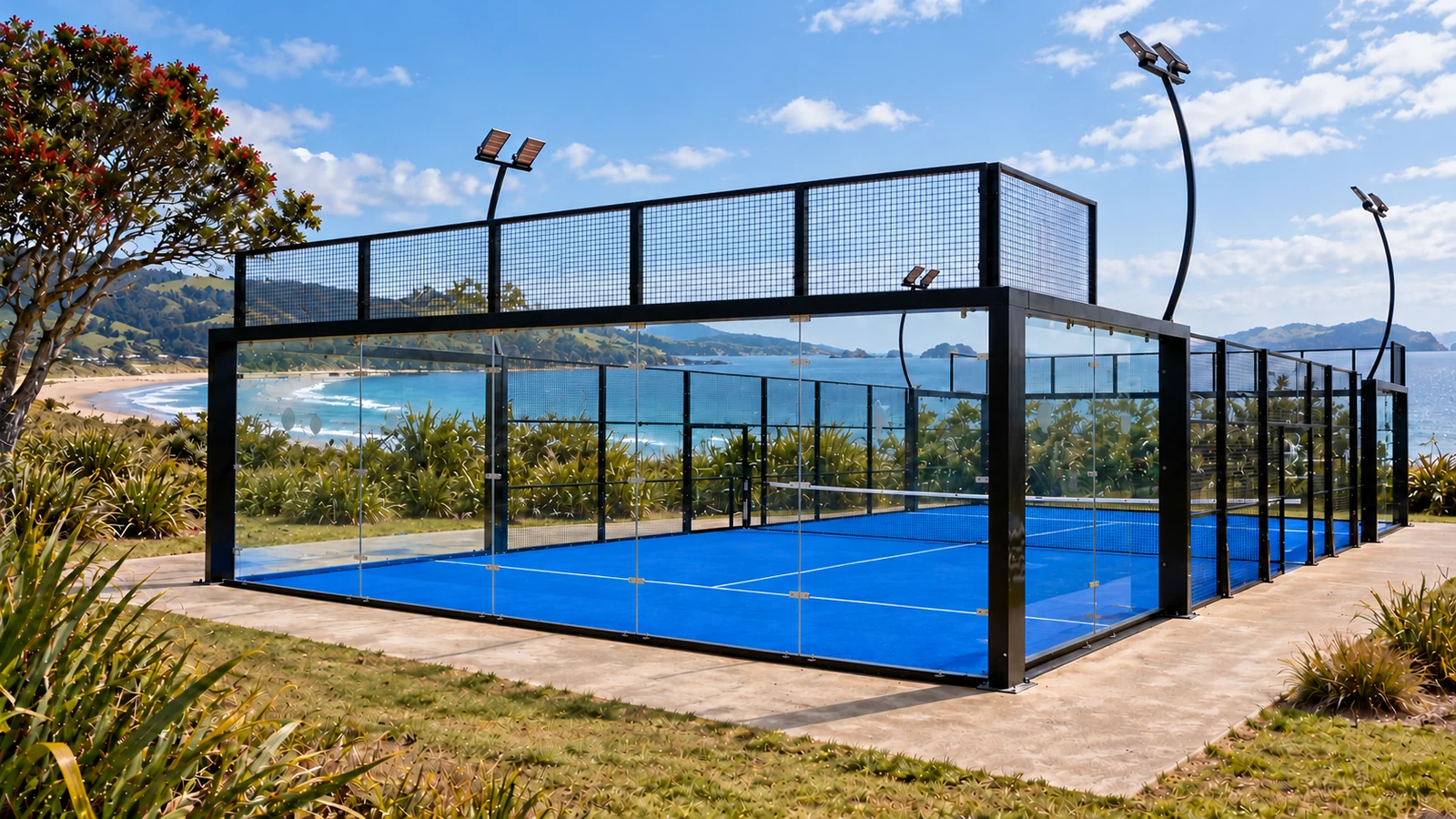
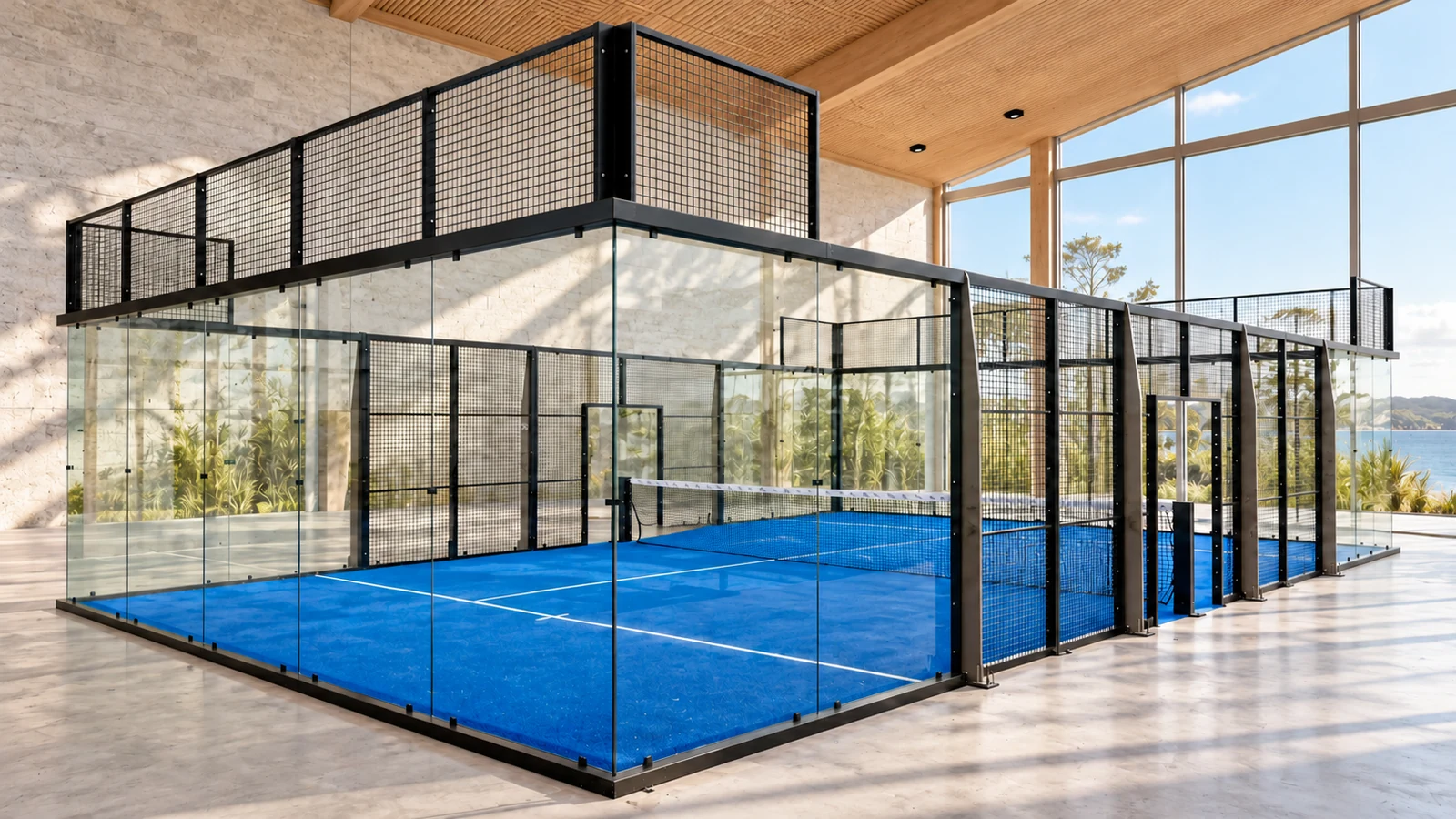
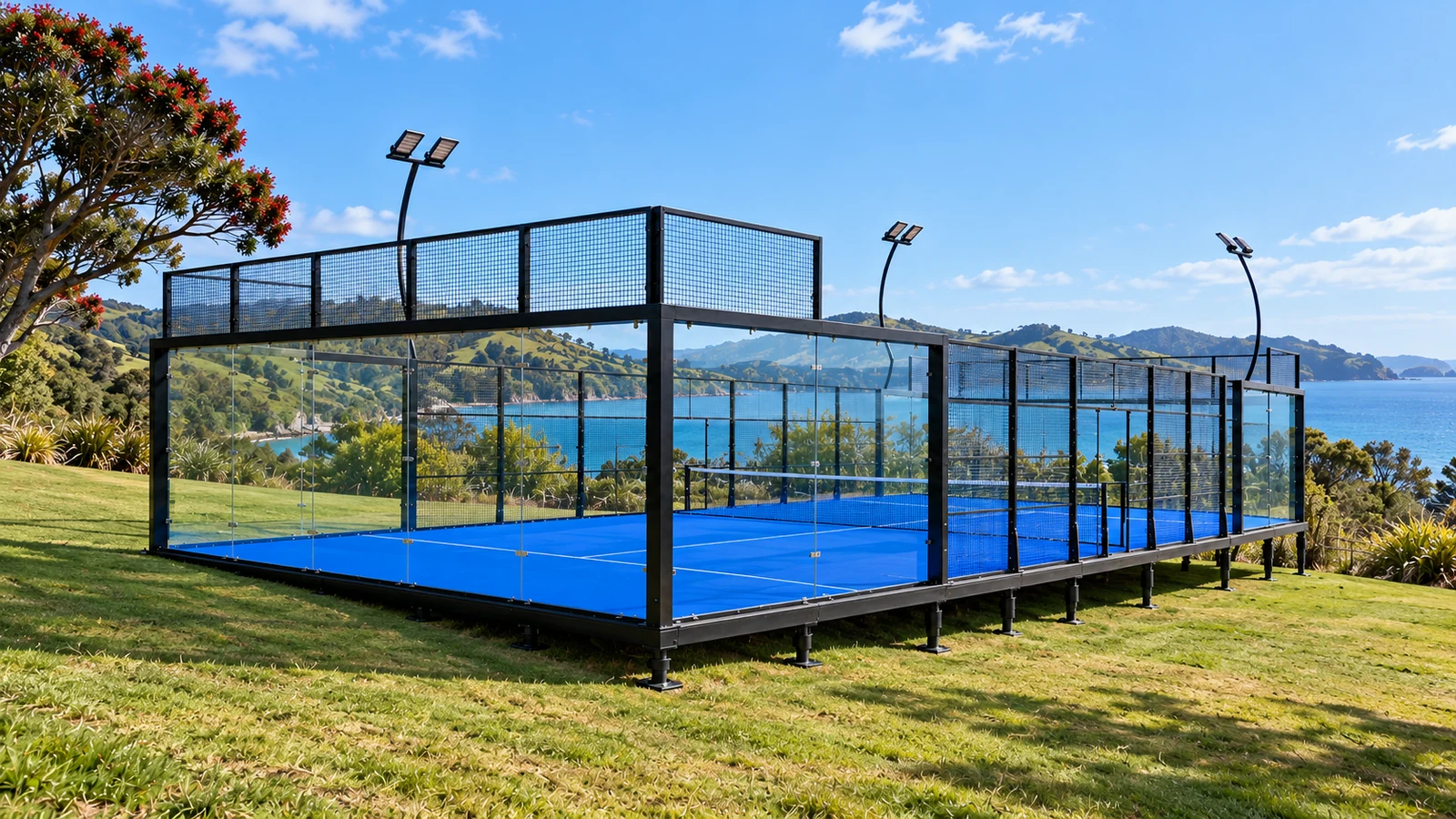



Choosing a court is easier when the project brief tells you what the site needs to do.
The first decision is not always a product decision.
A court catalogue can help you compare configurations. It cannot tell you whether a particular site is ready for a court. Before comparing options, establish the intended use, the available space and the information that is missing.
Turn an idea into a brief.
A useful brief describes who will use the court, how it will operate and what the project owner wants to achieve. It should also include what is known about the location, access, levels, drainage and neighbouring uses. An existing indoor building adds another set of questions about height, structure and movement through the venue.
Make the unknowns visible.
The brief does not need every answer on day one. It does need to distinguish a confirmed fact from an assumption. If the ground condition is unknown, say so. If a programme depends on consent or further design, make that dependency clear. This gives each specialist a more useful question to answer.
Compare the whole scope.
Two court prices may cover different things. Product configuration, freight, site works, professional inputs and installation responsibilities all influence what a project owner will need to arrange. A clearer brief makes a proposal more useful because it explains what the price represents.
The practical starting point.
A location, a few photos, an intended use and a list of questions can be enough to start a conversation. The aim is not to create a perfect document. It is to make the next decision clearer.