
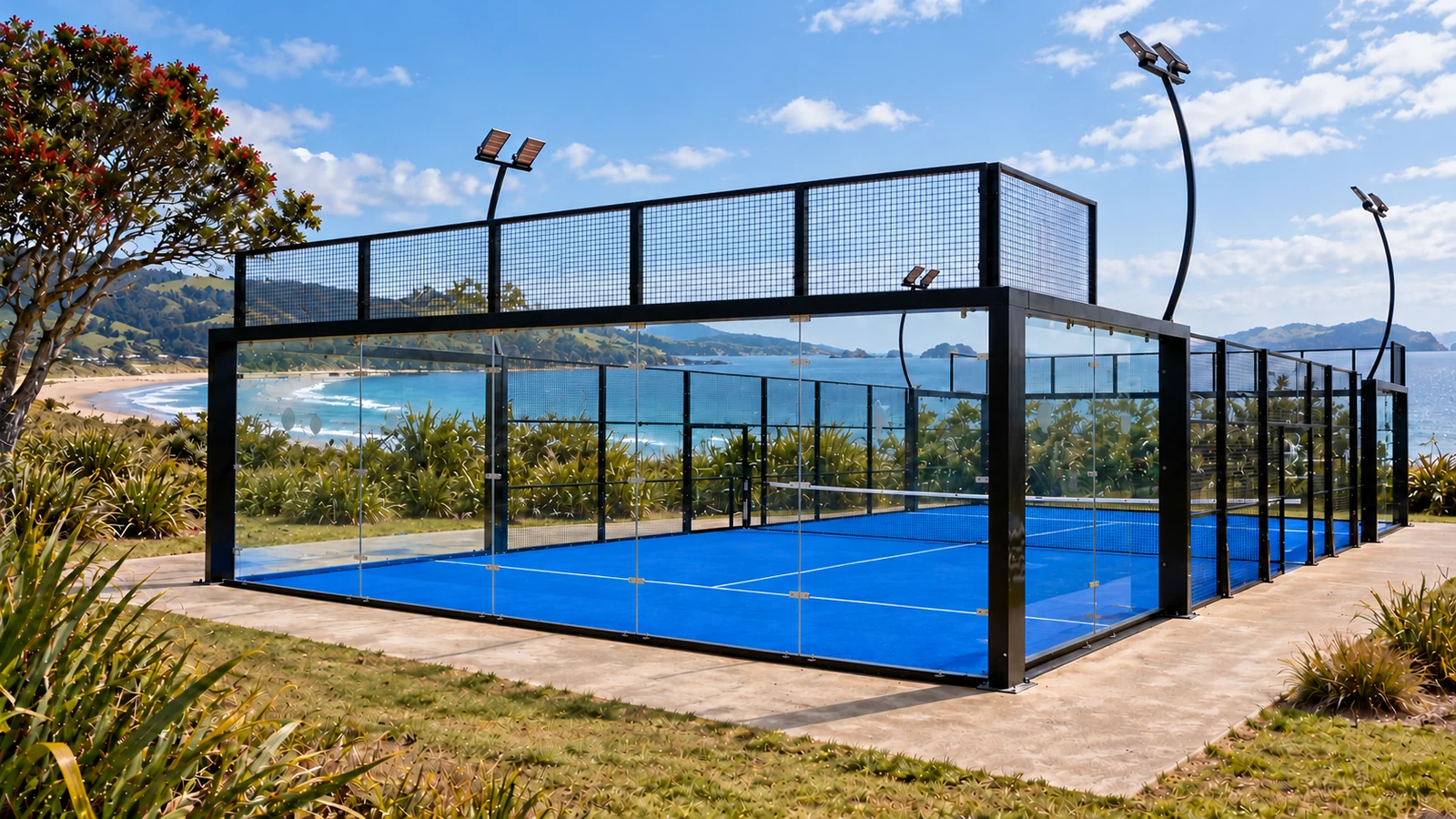
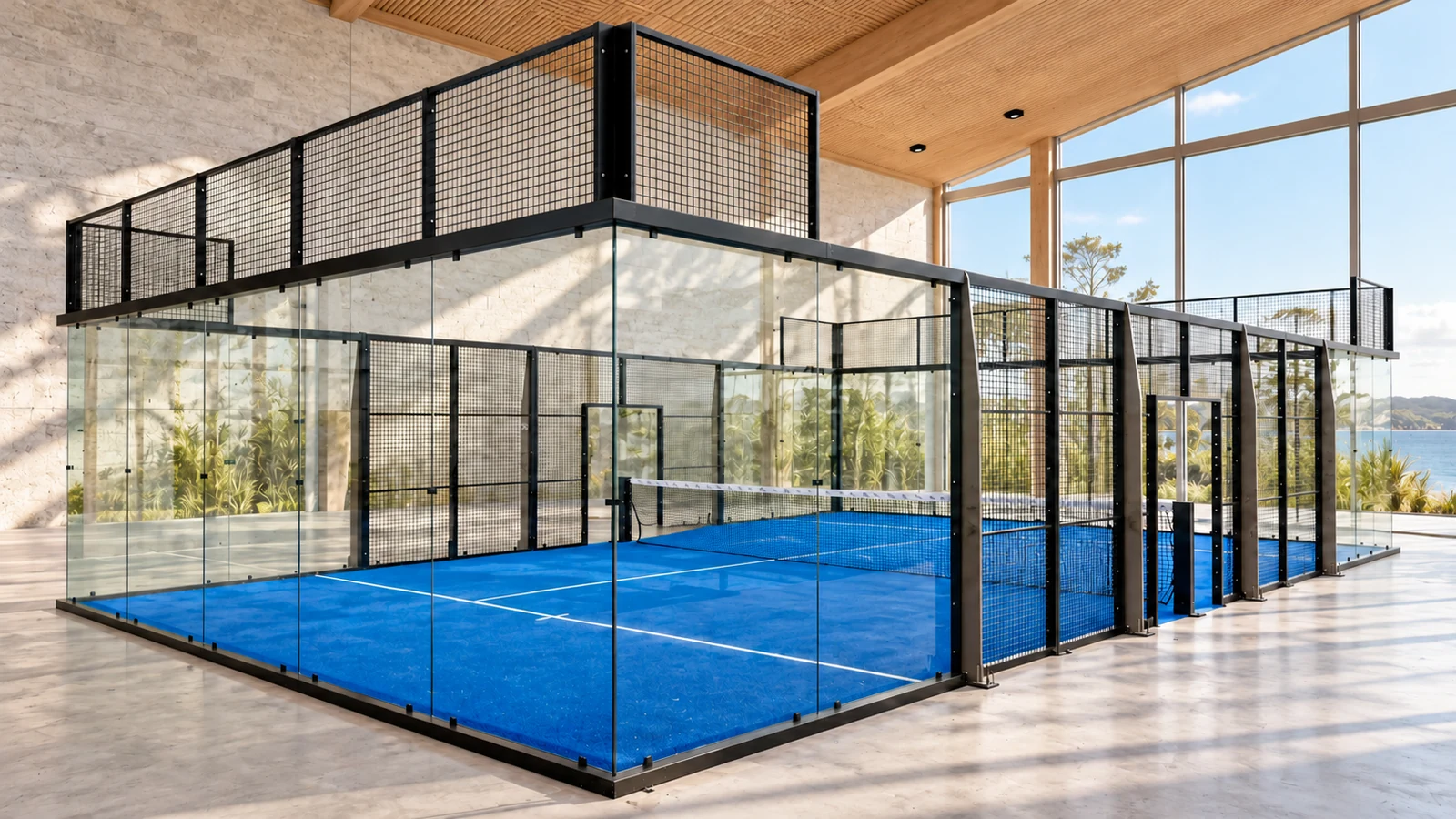
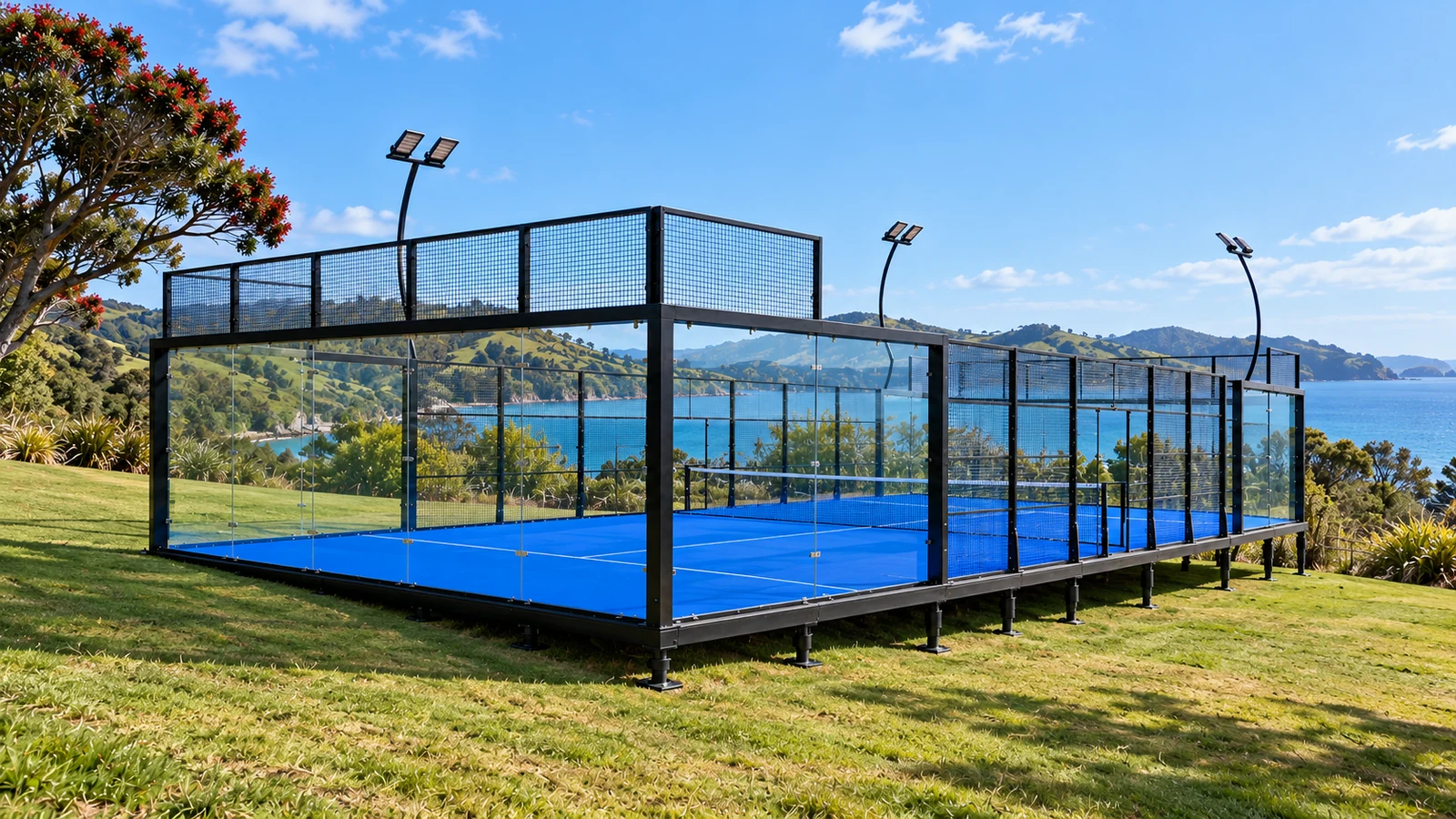


The playing area matters. So does everything that happens before and after a game.
Follow the visit.
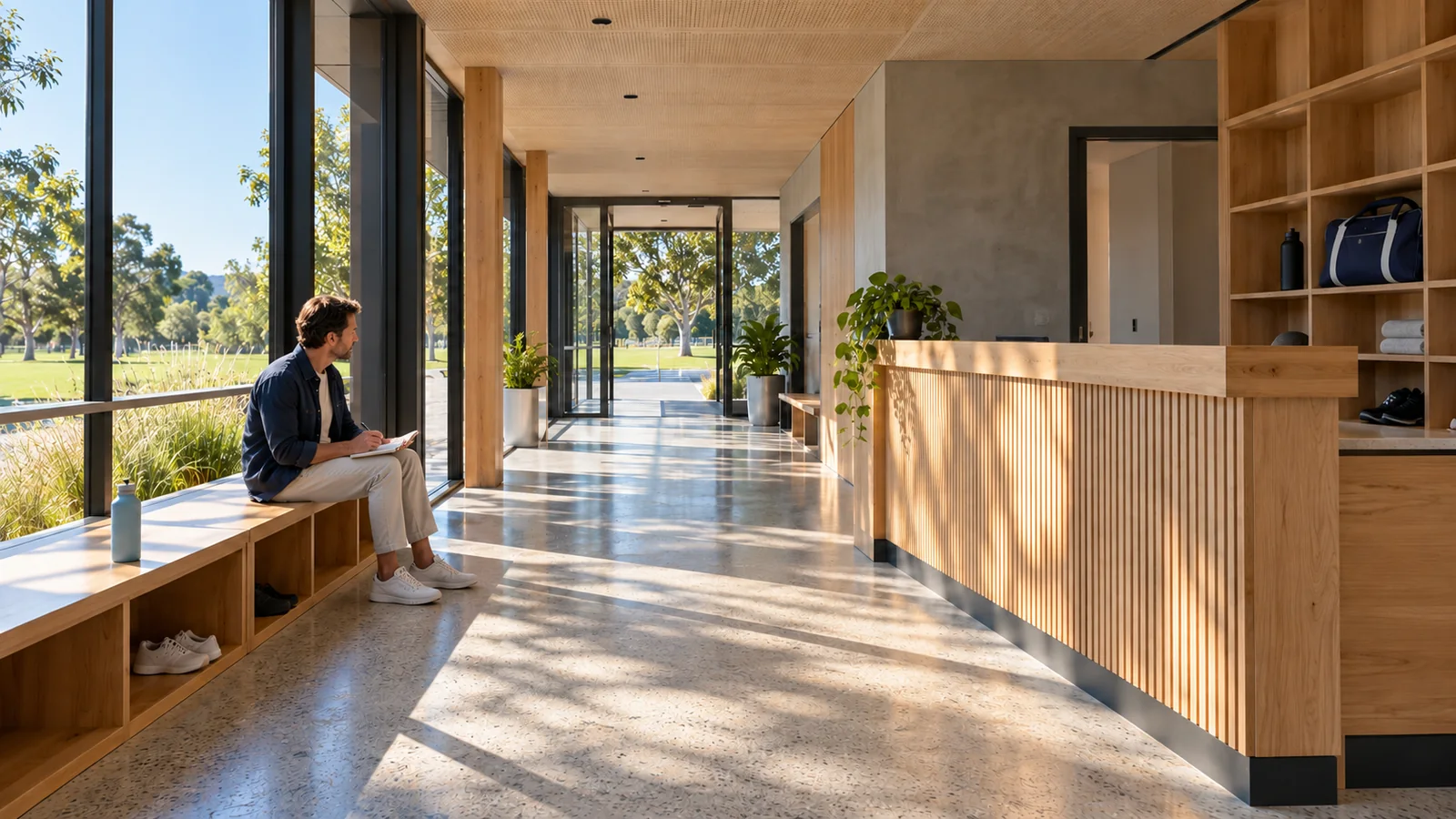
Imagine arriving for the first time. Where do you enter? Where do you wait? Can you find the court without asking? Is there somewhere to leave a bag? These are modest questions, but the answers shape how easy the place is to use.
Look beyond the court boundary.
A plan that fits the playing areas may still leave little room for circulation, watching, storage or maintenance. The useful layout needs to include the people moving between those activities. It should also work for the person opening the venue, cleaning it and looking after its equipment.
Understand the operating model.
A club, an unstaffed venue and a facility with regular coaching do not necessarily need the same arrangement. Before adding supporting spaces, establish how the venue will be used and managed. This helps distinguish what is necessary for opening from what could be added later.
Leave room for a sensible sequence.
A wider vision does not require every element to be built at once. It does require awareness of future interfaces. Access routes, service connections and the position of the first courts can influence what is possible later. Those choices deserve attention early.
A place is more than a layout.
At Nine One, we start with the court and ask what it needs around it to work well. The answer depends on the users, the operator and the setting. That is where a product discussion becomes a facility discussion.